
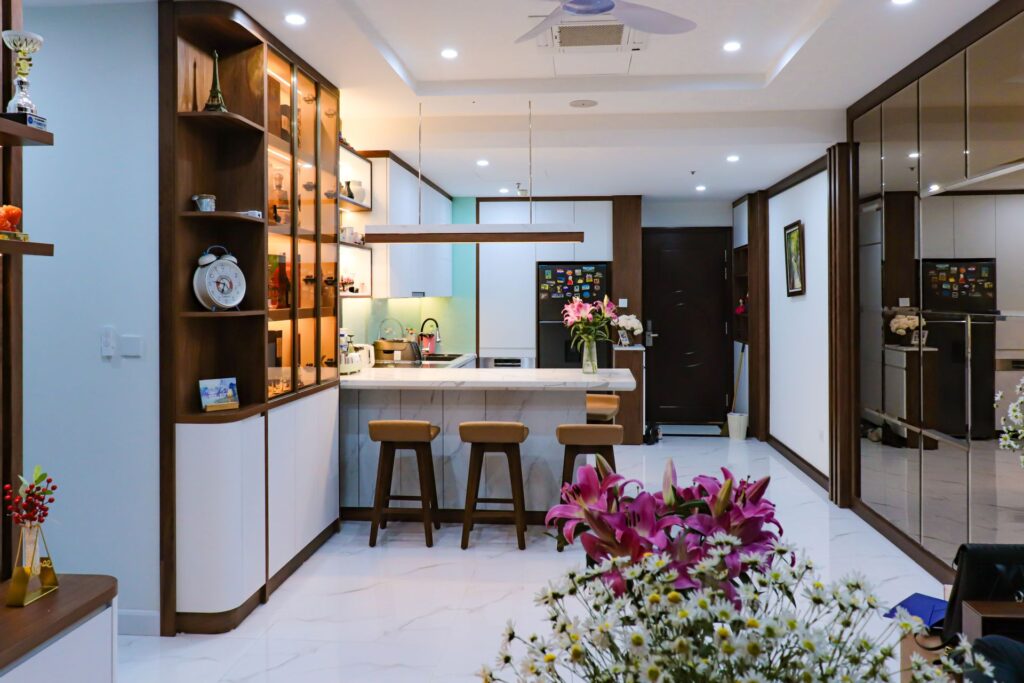
A comfortable home depends on more than attractive furniture, suitable lighting, and carefully chosen colors. The way air moves through a room also affects how people experience their living environment. Natural ventilation allows fresh outdoor air to enter a home while helping indoor air escape through windows, doors, vents, and other openings. When planned properly, it can reduce stuffiness, support indoor air quality, and improve everyday comfort. Designing for natural airflow requires more than opening a window occasionally. Room layouts, building orientation, window placement, outdoor conditions, and surrounding structures all influence ventilation. Understanding these factors helps homeowners create spaces that feel fresher and function better throughout the day.
Improving Indoor Air Quality
Indoor air can contain moisture, odors, cooking fumes, dust, and pollutants released by household products. Without adequate ventilation, some of these contaminants may accumulate, particularly in rooms where windows remain closed for long periods. Natural ventilation helps exchange indoor air with outdoor air, reducing the concentration of certain pollutants when outdoor conditions are suitable. Opening windows on opposite sides of a room or building can encourage air to move through the space.
This arrangement may help remove lingering odors and improve freshness. However, ventilation does not eliminate every indoor pollutant, and outdoor air can also contain smoke, pollen, traffic pollution, or other contaminants. Homeowners should consider local air quality when deciding when to open windows. Mechanical exhaust fans may also be useful in kitchens and bathrooms, where pollutants and moisture are generated frequently. Combining appropriate ventilation methods can support a healthier indoor environment.
Regulating Indoor Temperature
Natural ventilation can help manage indoor temperatures by allowing warmer air to leave and cooler outdoor air to enter when conditions are favorable. This can be especially useful during mild weather, when outdoor temperatures are lower than those inside the home. Air movement also affects how people perceive warmth. A gentle breeze can make a room feel more comfortable by helping heat escape from the body.
This may reduce the need to run cooling equipment during suitable periods, although the effect depends on humidity, outdoor temperature, and the building’s design. Window placement influences how effectively air travels through a room. Openings positioned to capture prevailing breezes can improve airflow, while high-level vents may help release rising warm air. Designers should also consider direct sunlight, roof heat, and insulation because ventilation alone cannot solve every overheating problem.
Planning Effective Window Placement
Window placement plays a central role in natural ventilation. A room with openings on only one side may receive some fresh air, but airflow can be limited when there is little pressure difference to move air through the space. Cross-ventilation is often more effective because air enters through one opening and exits through another. Opposing windows are one way to support this movement. In homes where this arrangement is not possible, openings on adjacent walls may still help direct air through the room.
Interior doors, partitions, and furniture placement can influence how freely air travels between openings. The surrounding property matters, too. Nearby buildings, fences, dense vegetation, and narrow passages can block prevailing breezes. When planning a renovation or new home, consider local wind direction and the location of neighboring structures. Properly positioned openings can improve comfort without requiring major changes to the interior.
Managing Moisture and Humidity
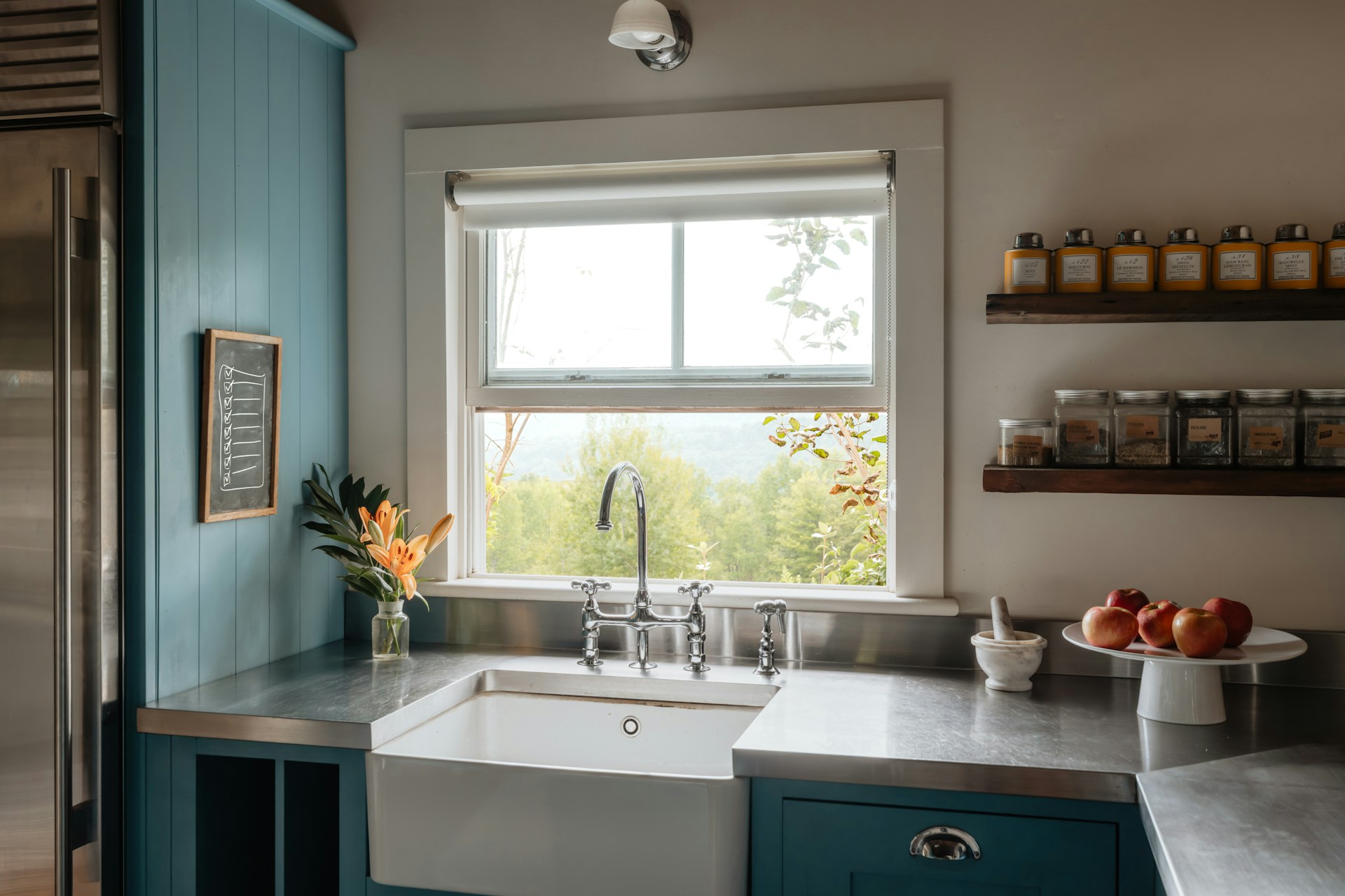
Everyday activities such as cooking, bathing, washing clothes, and drying laundry release moisture into indoor air. If that moisture remains trapped, it can contribute to condensation on windows, damp surfaces, and conditions that support mold growth. Natural ventilation can help remove humid air when outdoor conditions are appropriate. Opening windows after cooking or bathing may allow excess moisture to escape.
Ventilating laundry areas can also help prevent dampness from spreading into nearby rooms. However, outdoor air is not always drier than indoor air. In humid climates, opening windows may introduce additional moisture rather than reduce it. Exhaust fans, dehumidifiers, and air-conditioning systems may be necessary when natural airflow is insufficient. Persistent damp patches, musty odors, or visible mold should be investigated instead of treated as a ventilation issue alone.
Balancing Comfort and Outdoor Conditions
Natural ventilation works best when homeowners adapt it to changing weather and environmental conditions. Opening windows during cooler mornings or evenings may improve comfort, while closing them during periods of intense heat can help limit unwanted heat gain. External shading and curtains can further reduce direct solar heating. Security and noise also affect ventilation choices.
Windows facing busy roads may introduce traffic sounds, while ground-floor openings can raise safety concerns. Lockable window designs, screened openings, and secure ventilation systems can help address these practical issues. Insect screens are useful in areas where mosquitoes and other insects are common. They allow airflow while reducing the chance of pests entering the home. Homeowners should also monitor outdoor smoke, nearby construction dust, and seasonal allergens before opening windows. Good ventilation depends on both air movement and the quality of the air entering the building.
Conclusion
Natural ventilation should be considered early in the design process rather than added as an afterthought. Architects and homeowners can assess prevailing winds, room orientation, window sizes, ceiling heights, and internal layouts before finalizing a plan. These decisions influence how effectively air moves through the property. A practical design also recognizes that every room has different needs. Bedrooms benefit from comfortable airflow during suitable weather, while kitchens and bathrooms often require dedicated exhaust ventilation. Storage areas and enclosed corridors may need special attention because air can become stagnant in poorly connected spaces. Natural ventilation is not a complete replacement for mechanical cooling or filtration. Its effectiveness depends on climate, building design, outdoor air quality, and daily habits. Still, thoughtful planning can improve indoor freshness, support moisture control, and make living spaces more pleasant.